

Have you ever wondered if investing in solar energy is worth it? One crucial factor to consider when going solar is the solar payback period. In this article, we’ll dive deep into the concept of the solar payback period and explore everything you should know before making the switch to solar power. From understanding what it is to factors influencing it, we’ve got you covered. Let’s get started!
Introduction
What Is the Solar Payback Period?
Factors Affecting Solar Payback Period
Maximizing Solar ROI
Comparing Solar Payback Periods
Making Informed Decisions
Environmental Benefits of Solar
Solar Payback Period Around the World
Challenges and Solutions
Future of Solar Energy
Solar Payback Period vs. Other Investments
Is Solar Right for You?
Incentives and Rebates: What You Need to Know
Solar Payback Period Calculator
Conclusion
Investing in solar energy has become an increasingly popular choice for homeowners and businesses alike. The appeal lies not only in reducing electricity bills but also in contributing to a sustainable future. However, before you embark on your solar journey, it’s essential to understand the concept of the solar payback period.
The solar payback period refers to the time it takes for a solar power system to pay for itself through energy savings. In simpler terms, it’s the duration required to recoup the initial investment in solar panels and related equipment. During this period, you’ll see a gradual decrease in your electricity bills as you generate more of your energy from the sun.
Calculating the solar payback period involves analyzing various factors that influence the system’s performance and financial aspects.
When you install a solar power system, you incur both upfront costs and long-term savings. The solar payback period is the intersection point where your cumulative savings equal your initial investment. After this point, the energy generated by your solar panels is essentially free, allowing you to enjoy reduced or even zero electricity bills.
To calculate the solar payback period, you need to consider the initial cost of the solar system, including the solar panels, inverters, mounting hardware, and installation expenses. Next, estimate the system’s annual energy production and the current electricity rates. By comparing these figures with your average energy consumption, you can determine the payback period.
The solar payback period is not a one-size-fits-all concept. Various factors come into play, influencing how long it takes to recover your solar investment. Let’s explore these factors in detail.
The geographic location of your property significantly impacts the solar payback period. Areas with abundant sunlight and fewer cloudy days have a higher solar potential, leading to more energy generation and quicker payback periods.
The size of your solar power system and its installation cost are crucial factors. Larger systems generally have shorter payback periods, but the upfront expenses are higher as well.
Your electricity consumption habits influence the payback period. If you use more energy, a larger portion of it can be offset by solar power, potentially shortening the payback time.
Government incentives, tax credits, and rebates can significantly reduce the initial cost of your solar system, accelerating the payback period.
The financing method you choose can affect the payback period. If you pay upfront, the payback period is shorter compared to financing through loans or leases.
To make the most of your solar investment, you need to maximize the return on investment (ROI). Here are some strategies to achieve just that.
Investing in high-efficiency solar panels can boost your energy production and shorten the payback period. Though they might cost more initially, their long-term benefits are worth it.
Before going solar, consider energy-efficient practices and appliances. Lowering your energy consumption reduces the size of the solar system required and, in turn, the payback period.
Adding battery storage to your solar system allows you to store excess energy for later use. This way, you can further reduce your reliance on the grid and enhance your solar ROI.
Comparing solar payback periods in different scenarios can help you gain valuable insights into the benefits of going solar.
Residential and commercial properties have different energy needs and consumption patterns. Commercial installations usually have higher energy demands, affecting their payback period.
Urban areas may have limited rooftop space or shading issues, while rural areas might have more available land for larger solar installations. These factors play a role in determining the payback period.
When considering solar, it’s essential to be well-informed. Here are some factors to consider before making the leap.
To get the best deal, obtain quotes from multiple solar providers. This will give you a clear picture of the costs and potential savings, allowing you to make an informed decision.
Pay attention to the warranty terms offered by solar companies. Knowing what is covered and for how long ensures you won’t face unexpected costs down the line.
Solar energy offers a wide array of environmental benefits that go beyond financial gains.
Switching to solar power reduces reliance on fossil fuels, lowering greenhouse gas emissions and contributing to a cleaner environment.
By choosing renewable energy sources like solar, we can collectively combat climate change and its adverse effects on our planet.
The solar payback period is not just a local phenomenon; it varies across the globe. Let’s take a look at solar adoption in different countries and the lessons we can learn from them.
Countries like Germany, China, and the United States are among the leaders in solar adoption, demonstrating how solar power can become a mainstream energy source.
By studying the policies and practices of these pioneering countries, other nations can develop strategies to accelerate their solar adoption and shorten payback periods.
While the journey towards solar energy is promising, there are challenges that need to be addressed.
The high initial costs of solar installations can be a deterrent. Governments and financial institutions need to collaborate to offer affordable financing options.
Streamlining the regulatory process can expedite solar project approvals, encouraging more people and businesses to invest in solar energy.
The future of solar energy looks bright, with new advancements and opportunities on the horizon.
Ongoing advancements in solar technology, such as flexible solar panels and improved energy storage, will revolutionize the solar industry.
As solar power becomes more prevalent, grid integration technologies will play a crucial role in managing the balance between solar generation and energy demand.
Is investing in solar energy a better option compared to traditional investments? Let’s find out.
While traditional investments may offer different returns, solar provides an opportunity to invest in a sustainable future.
Unlike other investments that might fluctuate, solar energy offers long-term financial and environmental benefits.
Are you unsure whether solar is the right fit for you? Here are some considerations to help you decide.
Think about your long-term goals and how solar aligns with them. If sustainability and energy independence are priorities, solar might be the right choice.
Understanding your energy consumption patterns will help determine the ideal solar system size for your needs.
Incentives and rebates can significantly impact the solar payback period.
Governments often offer incentives and rebates to promote solar adoption. Research available programs that can help you offset installation costs.
Tax credits can reduce your tax liability, making solar more affordable. Explore available tax incentives and their eligibility criteria.
Going solar is an investment in both financial savings and a sustainable future. Understanding the solar payback period is crucial for making an informed decision. Factors like location, system size, energy consumption, and incentives all play a role in determining the payback period. To maximize solar ROI, consider high-efficiency panels, energy-saving practices, and battery storage.
As solar technology continues to advance, we can look forward to a brighter future powered by clean and renewable energy. By comparing solar payback periods around the world and learning from leading countries, we can accelerate global solar adoption.
Investing in solar energy is not only financially rewarding but also contributes to a healthier planet by reducing our carbon footprint and combating climate change.
Q: How long does it typically take to recover the investment in a solar power system? A: The solar payback period varies based on several factors but typically ranges from 5 to 12 years.
Q: Do solar panels require a lot of maintenance? A: Solar panels are low-maintenance, requiring periodic cleaning and inspections to ensure optimal performance.
Q: Can I still use electricity from the grid with solar panels? A: Yes, you can draw electricity from the grid during times when your solar panels aren’t producing enough energy.
Q: Are there government incentives for going solar? A: Yes, many governments offer incentives, tax credits, and rebates to encourage solar adoption.
Q: How long do solar panels typically last? A: High-quality solar panels can last for 25 to 30 years or more with proper maintenance.
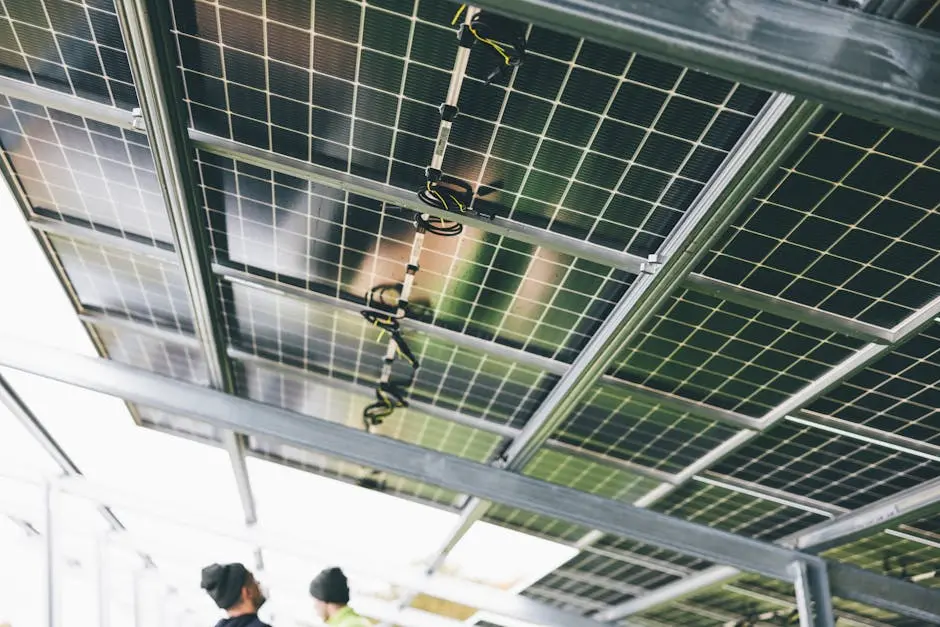
Get ready for solar panel upgrades with our easy guide ‘9 Simple Steps to Prepare Your Home for Solar Panel Upgrades’.

Discover how household solar systems slash your energy bill in our article ‘How Household Solar Systems Can Drastically Reduce Your Energy Bill’.
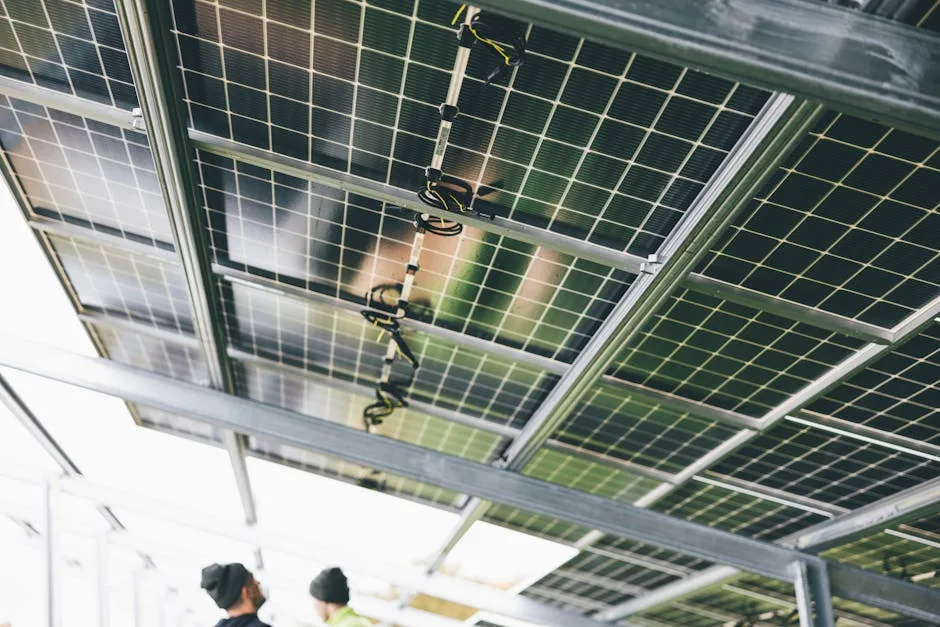
Explore the revolutionary impact of industrial solar solutions in our blog ‘How Industrial Solar Solutions Are Revolutionizing the Energy Sector’.
Book your free consultation today to discover how renewable energy can benefit your home or business. No obligation – just expert advice tailored to you.