
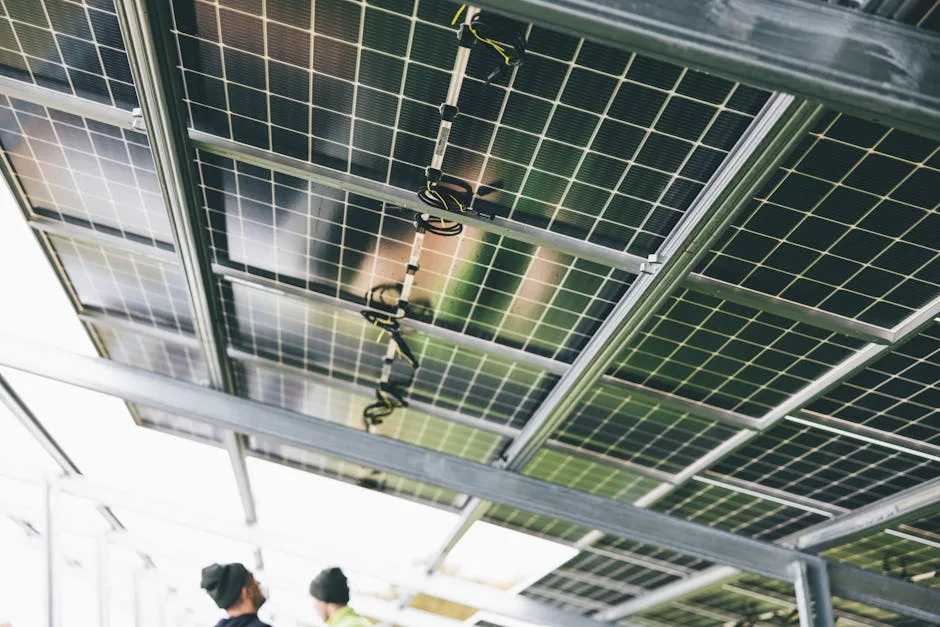
When considering upgrading your solar panels in 2023, it’s essential to understand the basics of solar panel upgrades. Here are a few key points to keep in mind:
By upgrading your solar panels in 2023, you can increase energy efficiency, reduce electricity bills, and contribute to a more sustainable environment. Newer solar panels have advanced technology that generates more power even in low light conditions, maximizing your energy production. This means you can save more money on your electricity costs over time. Additionally, upgrading your solar panels can increase the value of your property and make it more attractive to potential buyers if you decide to sell in the future. Upgraded solar panels also require less maintenance, saving you time and hassle in the long run.
Solar panel upgrades can provide a good return on investment (ROI) due to factors like sunlight exposure, energy production, and government incentives. The amount of sunlight your panels receive directly impacts their efficiency in generating electricity. Higher energy production means more savings on your utility bills. Additionally, government incentives such as tax credits or rebates can significantly reduce the initial cost of the upgrade, improving the overall ROI.
To determine if investing in solar panel upgrades is worth it in 2023, you need to consider the initial cost of the upgrades and the long-term savings on your electricity bills. Here are some key points to keep in mind:
Solar panel upgrades can significantly reduce your carbon footprint. By upgrading to more efficient solar panels, you can decrease your reliance on non-renewable energy sources like coal or gas. This leads to a decrease in greenhouse gas emissions, which helps combat climate change. Solar panel upgrades also contribute to reducing air and water pollution, improving overall environmental quality.
Government incentives for solar panel upgrades can make investing in solar energy more appealing. These incentives can include tax credits, rebates, and grants provided by local, state, or federal governments. Some benefits of these incentives are:
The Return on Investment (ROI) calculation for solar panel upgrades involves comparing the cost of the initial investment with the financial benefits over time. Here’s how you can calculate it:
A higher ROI indicates a better financial return on your investment in solar panel upgrades.
To keep your upgraded solar panels efficient, conduct regular maintenance checks on them. This includes cleaning them to remove dirt and debris, checking for any shading from nearby objects or vegetation, and ensuring all connections are secure. Regular maintenance can help increase the lifespan of your solar panels and ensure they continue to produce energy efficiently.
In 2023, expect solar panel technology to advance further, making panels more efficient and affordable. Some upcoming trends include:
To maximize the return on investment through solar panel upgrades, consider factors like the initial cost of the upgrades, potential savings on energy bills, available financial incentives, and the increase in property value. Upgrading to newer, more efficient solar panels can lead to higher energy production and greater long-term savings. Keep in mind that the ROI of solar panel upgrades in 2023 will vary based on your specific circumstances and location. Calculate your potential savings and environmental benefits to make an informed decision on maximizing ROI through solar panel upgrades.
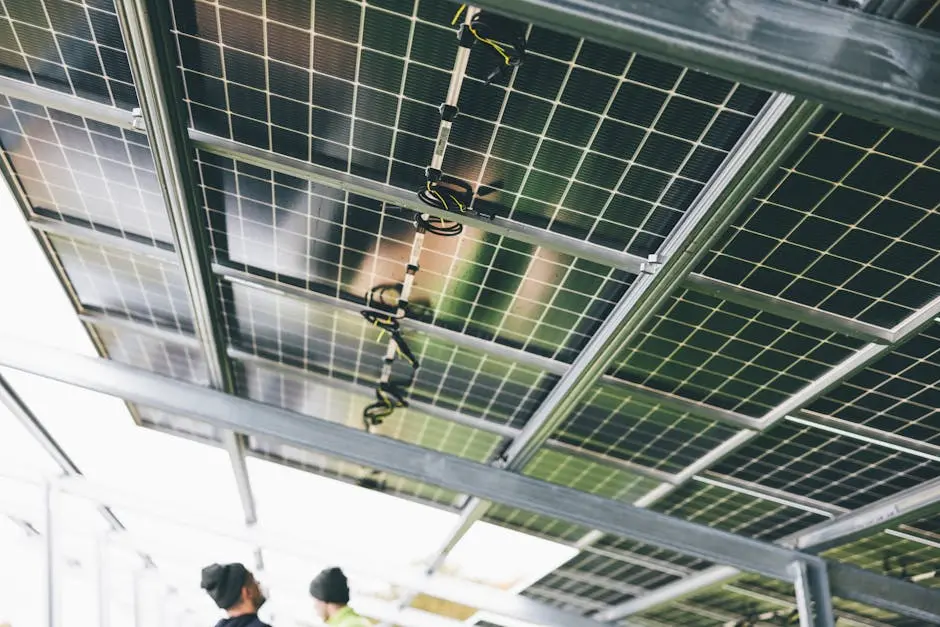
Get ready for solar panel upgrades with our easy guide ‘9 Simple Steps to Prepare Your Home for Solar Panel Upgrades’.

Discover how household solar systems slash your energy bill in our article ‘How Household Solar Systems Can Drastically Reduce Your Energy Bill’.
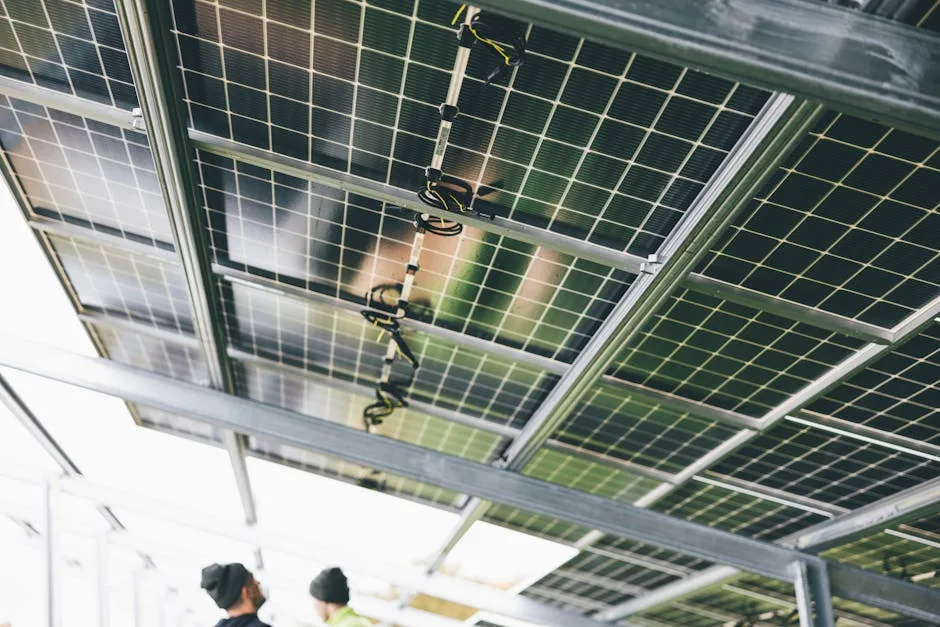
Explore the revolutionary impact of industrial solar solutions in our blog ‘How Industrial Solar Solutions Are Revolutionizing the Energy Sector’.
Book your free consultation today to discover how renewable energy can benefit your home or business. No obligation – just expert advice tailored to you.
