

As we march forward into the 21st century, the world faces a critical challenge: finding innovative ways to create a sustainable and environmentally friendly future. The rapid advancement of technology has played a pivotal role in shaping our society, and now it holds the key to combating climate change and fostering a green future. In this article, we will explore the exciting developments in green technology and how they are revolutionizing various sectors to pave the way for a greener tomorrow.
Our introductory sets the stage by emphasizing the significance of transitioning towards a green future. It highlights the impact of current environmental challenges and the need for new technology to tackle them effectively.
In this section, we delve into the potential of solar energy as a clean and renewable power source. We discuss advancements in solar panel technology, efficient energy storage solutions, and the widespread adoption of solar in residential and commercial settings.
This part sheds light on the progress of wind energy technology, from the evolution of wind turbines to offshore wind farms. We explore how harnessing the power of wind contributes to reducing carbon emissions and diversifying our energy mix.
Here, we focus on the electric vehicle revolution, discussing the latest breakthroughs in EV technology, charging infrastructure expansion, and the environmental benefits of electric transportation.
In this section, we explore the concept of smart grids and their role in optimizing energy distribution, reducing wastage, and accommodating renewable energy sources.
This part highlights the emergence of green architecture and sustainable building practices, showcasing innovative designs, materials, and construction techniques that promote energy efficiency and minimize environmental impact.
Here, we examine how Artificial Intelligence (AI) and the Internet of Things (IoT) are revolutionizing environmental conservation efforts. From wildlife monitoring to precision agriculture, these technologies aid in making data-driven decisions for a greener planet.
This section explores advancements in waste management technology, including recycling innovations, waste-to-energy processes, and the move towards a circular economy to minimize waste generation.
Delving into the critical issue of water scarcity, we discuss cutting-edge technologies for water purification, desalination, and conservation to ensure a sustainable water supply for the future.
This part sheds light on the concept of green computing, emphasizing energy-efficient hardware, data centers, and sustainable practices to reduce the environmental footprint of the digital era.
Here, we explore the intersection of biotechnology and environmental solutions, highlighting biodegradable materials, biofuels, and bio-inspired innovations for a greener world.
This section showcases how technology is transforming agriculture towards sustainable practices, such as precision farming, vertical agriculture, and agtech applications for efficient resource use.
In this part, we discuss how the electronics industry is adapting to the green movement, offering eco-friendly devices, recyclable materials, and extended product lifecycles.
Here, we explore the role of urban planning in creating eco-friendly cities, including green infrastructure, smart urban development, and sustainable transportation systems.
This section focuses on cutting-edge technologies related to carbon capture and storage, essential for mitigating greenhouse gas emissions and combatting climate change.
In this final section, we look ahead to the potential future breakthroughs in green technology and how they may shape the world’s journey towards a greener and more sustainable future.
As we conclude this exploration of the emergence of new tech for a green future, it is evident that innovation is our greatest ally in combating climate change and preserving the environment. Through harnessing the power of solar and wind energy, embracing electric vehicles, implementing smart grids, and adopting green practices in various sectors, we can pave the way for a cleaner and brighter tomorrow.
1. How does solar energy help in reducing carbon emissions?
Solar energy harnesses the power of the sun to generate electricity without emitting greenhouse gases, unlike conventional fossil fuels. Using solar panels to produce electricity significantly reduces carbon emissions, helping combat climate change.
2. What makes a building green and sustainable?
Green buildings incorporate energy-efficient design, use sustainable materials, optimize water usage, and prioritize environmental impact reduction throughout their lifecycle.
3. How are AI and IoT aiding environmental conservation?
AI and IoT enable real-time data collection and analysis, helping monitor and protect ecosystems, wildlife, and natural resources more effectively.
4. What is the circular economy, and how does it relate to waste management?
The circular economy aims to minimize waste by reusing, recycling, and repurposing materials, reducing the burden on landfills and promoting sustainability.
5. How do electric vehicles contribute to a green future?
Electric vehicles produce zero tailpipe emissions, reducing air pollution and dependence on fossil fuels, making them a key player in a greener transport system.
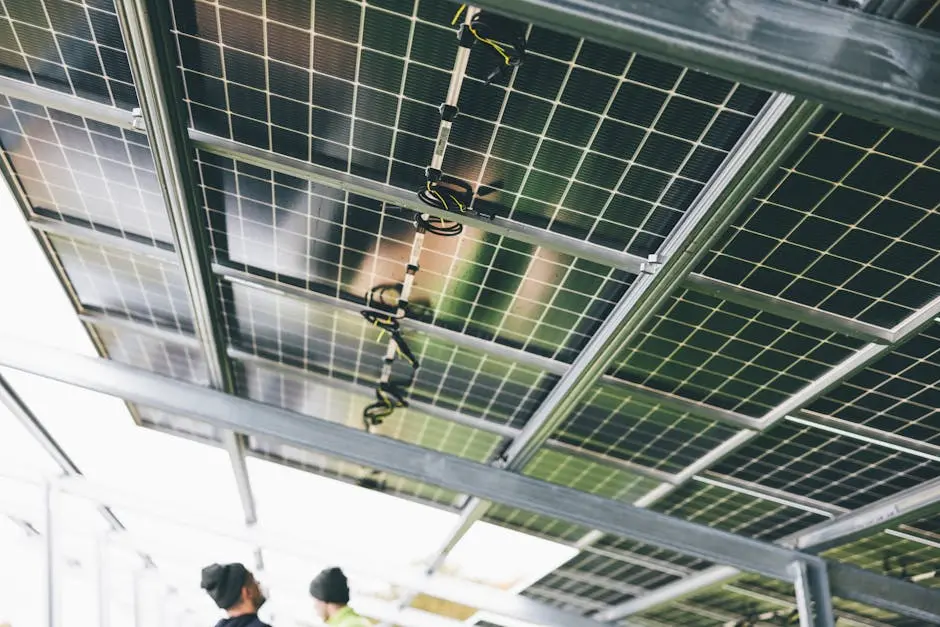
Get ready for solar panel upgrades with our easy guide ‘9 Simple Steps to Prepare Your Home for Solar Panel Upgrades’.
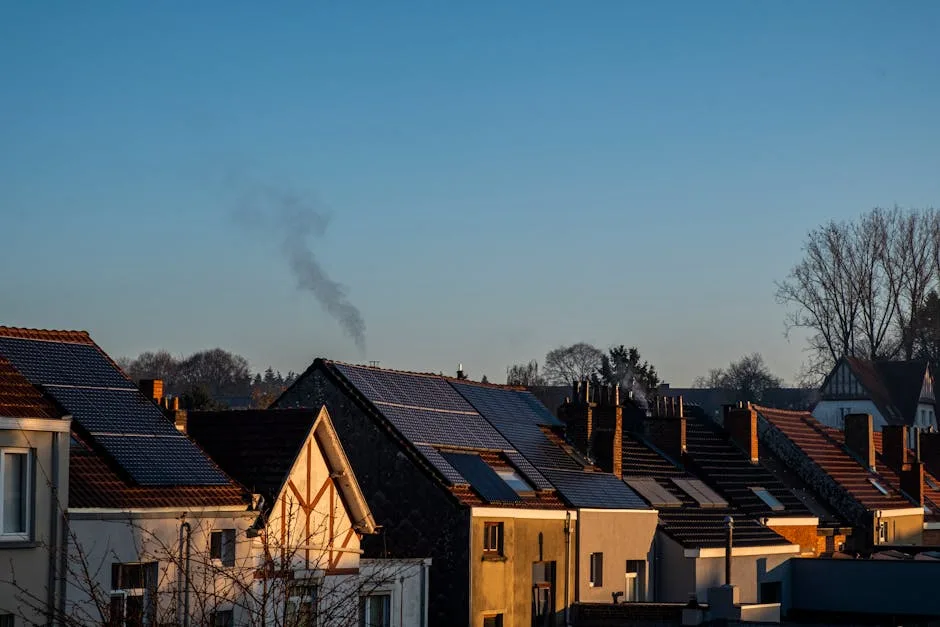
Discover how household solar systems slash your energy bill in our article ‘How Household Solar Systems Can Drastically Reduce Your Energy Bill’.
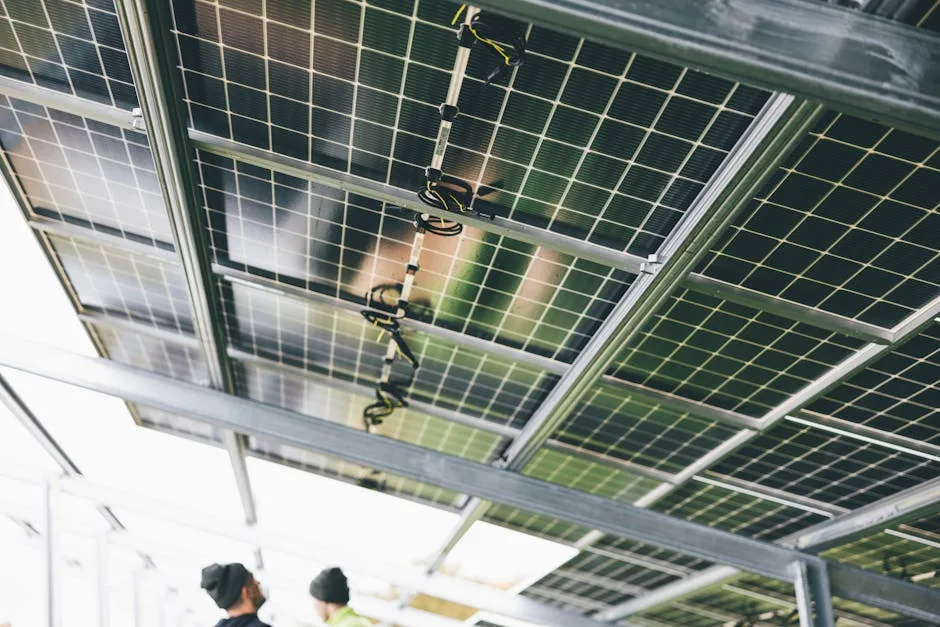
Explore the revolutionary impact of industrial solar solutions in our blog ‘How Industrial Solar Solutions Are Revolutionizing the Energy Sector’.
Book your free consultation today to discover how renewable energy can benefit your home or business. No obligation – just expert advice tailored to you.