
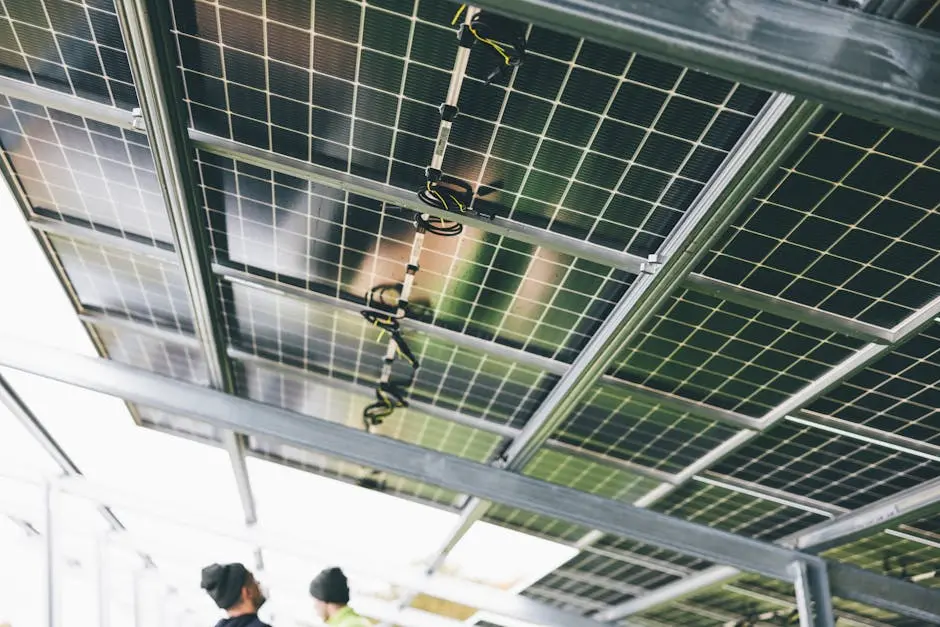
Making the switch to solar energy can be an exciting and fulfilling journey. However, it requires careful planning and preparation to ensure that your home is ready for solar panel upgrades. In this guide, we’ll walk you through the essential steps to get your home prepared for an efficient solar installation. Let’s dive in!
Before embarking on the exciting journey of solar panel upgrades, the first step is to thoroughly assess your current energy consumption. Understanding how much energy your home uses will guide you in making informed decisions about the size and type of solar system you need. Start by gathering your energy bills from the last year to identify patterns and peak usage times. This data can help you determine whether your energy consumption is consistent or whether it fluctuates seasonally.
Next, consider using a home energy monitor, which can give you real-time insights into your electricity usage. This technology allows you to pinpoint which appliances consume the most energy. By understanding your high-demand devices or peak hours, you can optimize your energy consumption habits even before installing solar panels. Small adjustments, such as using energy-efficient appliances or shifting usage to off-peak times, can significantly reduce your overall energy requirements, making your upcoming solar panel upgrades even more effective.
Exploring the various solar panel options available on the market is an exciting part of preparing for solar panel upgrades. Not all solar panels are created equal; each type has its own advantages and disadvantages. For instance, monocrystalline panels are known for their efficiency and longevity, whereas polycrystalline panels tend to be more affordable but may have slightly lower efficiency rates. It’s crucial to weigh these factors based on your budget, space, and energy needs.
In addition to the type of panels, research their warranties and expected lifespans. Some manufacturers offer warranties that last up to 25 years, which can give you peace of mind. You should also consider the efficiency ratings of the panels, as higher efficiency can lead to greater energy savings. Furthermore, keep an eye on emerging solar technologies, such as solar shingles, which seamlessly blend with your roof. Exploring all these options will empower you to choose the best fit for your home.
Evaluating your roof’s condition is a critical step in preparing your home for solar panel upgrades. A sturdy, well-maintained roof will ensure that your solar panels are installed securely and last for decades. Start by inspecting for any signs of wear and tear, such as missing shingles, leaks, or structural damage. If you notice any issues, it’s advisable to address them before the installation process begins.
Moreover, consider the orientation and angle of your roof. Ideally, solar panels should be installed on a south-facing roof to capture maximum sunlight throughout the day. If your roof is shaded by trees or nearby buildings, you may want to think about trimming those trees or consulting with a solar installation expert about the best placement for optimal performance. Taking the time to evaluate and prepare your roof will pay off significantly when it comes time to install your solar system.
Understanding local regulations and incentives is vital for anyone in the UK looking to prepare for solar panel upgrades. Each region has different laws regarding solar energy, including planning permissions and grid connection requirements. Familiarising yourself with these regulations early on can help you avoid potential headaches during installation. It’s essential to check with your local council to determine what permits are needed to install your solar system, as well as any available government incentives, such as the Smart Export Guarantee (SEG) for exporting surplus energy back to the grid.
In addition to regulations, exploring available financial incentives can significantly lower the cost of your solar panel upgrades in the UK. The government offers various schemes such as the Smart Export Guarantee (SEG), Renewable Heat Incentive (RHI), and other local grants or incentives for solar installations, which can greatly enhance the return on investment for your project. Investigate what options are available at both the national and local levels. Taking advantage of these incentives can help you make a budget-friendly transition to solar energy, allowing you to maximize the benefits while being mindful of your expenses.
Choosing the right solar installer is one of the most critical decisions you’ll make when preparing for solar panel upgrades. A qualified installer will not only help you select the best system for your home but also ensure it’s installed correctly and efficiently. Take the time to research potential installers; look for reviews, testimonials, and completed projects. Don’t hesitate to ask for references or check online ratings.
Moreover, make sure to compare multiple quotes from different installers to ensure you’re getting the best service for your money. A legitimate contractor will provide transparency about costs, installation timelines, and warranties. Additionally, evaluate their certification and experience; installers with certifications from recognized organizations are typically more reliable. By doing your due diligence, you can choose an installer who aligns with your vision and can deliver the quality installation your solar panel upgrades deserve.
Preparing your home’s electrical system is essential before installing solar panels. A thorough assessment of your home’s electrical system will help identify if any upgrades or changes are required. This might include checking your fuse box, wiring, and outlets for compatibility with the new solar energy system. In some cases, you may need to upgrade the electrical panel to accommodate the additional energy generated by the solar panels.
It’s also wise to consult with your solar installer about the best way to integrate the solar system with your existing electrical framework. Additionally, consider whether you want to install a battery storage system to store excess energy generated during the day for use at night. This investment can provide significant savings and add resilience to your energy supply. Properly preparing your electrical system will ensure your solar panel upgrade functions efficiently and safely.
Cleaning up your outdoor space is crucial when you’re preparing for solar panel upgrades. Ensuring that the area around your roof is free of debris and obstructions will facilitate a smoother installation process. Begin by removing any branches, leaves, or debris that could hinder access to your roof or interfere with panel performance. This not only aids installation but also minimizes potential shadows that could block sunlight and reduce solar efficiency.
Furthermore, it’s essential to consider the growth of nearby vegetation. Trees and tall bushes that might not pose an immediate problem can grow to become obstructions in the future. Trimming or relocating them can prevent shading issues later on, ensuring that your solar energy system operates at peak efficiency throughout its lifetime. By proactively clearing the area and managing surrounding plants, you’ll help maximize the performance of your solar panel upgrades.
Educating yourself about the maintenance and monitoring of your solar panel system is key to ensuring its longevity and efficiency. Once installed, solar panels require minimal upkeep, but being knowledgeable about basic maintenance practices can significantly enhance performance. Start by learning how to clean your panels; dust, debris, and snow accumulation can obstruct sunlight and reduce efficiency. A gentle wash with water, especially during dry seasons, can help keep them in tip-top shape.
Additionally, familiarize yourself with the monitoring systems available for solar panels. Many solar setups come with monitoring apps or devices that allow you to track your energy production in real-time. Monitoring can alert you to any irregularities or drops in energy output, enabling you to address issues quickly. Understanding both maintenance and monitoring will empower you to take an active role in your solar energy journey, resulting in better performance and savings.
Planning for installation day logistics is an often-overlooked but crucial step when preparing your home for solar panel upgrades. Specifically, it’s essential to ensure that your installer has clear access to your roof and electrical system. You may need to move vehicles or remove items such as ladders, furniture, or garden decorations that could block access.
Moreover, it’s advisable to communicate with your installer about the expected installation timeline. Knowing what to anticipate will help you plan your day accordingly. Additionally, consider being home during the installation to answer questions and address any concerns that may arise. This collaborative approach will foster a smoother installation experience, ensuring your solar panel upgrades go off without a hitch. Proper organization will lead to a successful transition to solar energy!

Discover how household solar systems slash your energy bill in our article ‘How Household Solar Systems Can Drastically Reduce Your Energy Bill’.
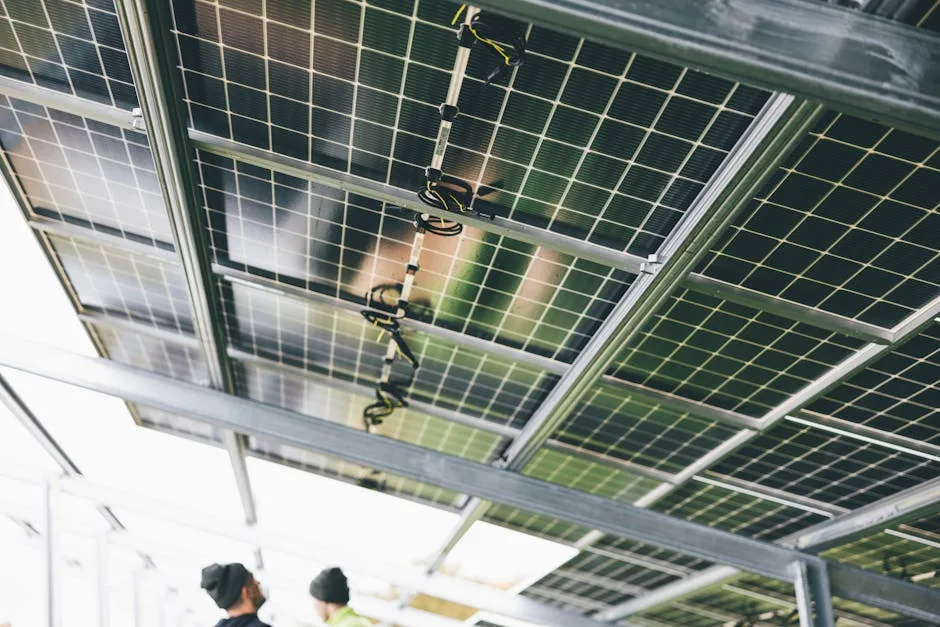
Explore the revolutionary impact of industrial solar solutions in our blog ‘How Industrial Solar Solutions Are Revolutionizing the Energy Sector’.

Enhance your system’s performance with essential PV system maintenance insights in ‘Why PV System Maintenance is Crucial for Optimum Performance’.
Book your free consultation today to discover how renewable energy can benefit your home or business. No obligation – just expert advice tailored to you.
