

Imagine a world where your energy bills shrink while your environmental impact diminishes. This isn’t a far-off dream, it’s the reality that household solar systems can bring to your doorstep. By harnessing the power of the sun, these systems offer a sustainable, cost-effective solution to power your home. Let’s delve into the details of how incorporating solar energy can significantly reduce your energy expenses and benefit the environment.
Before diving into the world of household solar systems, it’s essential to understand how they work. Solar panels, typically installed on rooftops, capture sunlight and convert it into electricity through photovoltaic cells. This generated electricity can power your home directly or be stored in batteries for later use. The system operates efficiently during the day when sunlight is abundant, and any excess electricity produced can be fed back into the grid for credits, in a process known as net metering.
One of the primary components of a household solar system is the inverter, which converts the direct current (DC) electricity produced by the solar panels into alternating current (AC) electricity used in homes. With advancements in technology, modern inverters are more efficient and reliable, ensuring maximum utilization of the solar energy harvested. Understanding these basic elements sets the foundation for grasping the intricacies of household solar power systems.
Moreover, the installation of a solar system often includes a monitoring system that allows homeowners to track their energy generation and consumption in real-time. This feature provides valuable insights into energy usage patterns, empowering users to make informed decisions on optimizing their consumption and maximizing their energy savings. By familiarizing yourself with these fundamental aspects, you can better appreciate the significance of integrating solar power into your household.
When considering a solar system for your home, it’s crucial to evaluate factors such as your energy needs, available roof space for panels, and budget constraints. By conducting a thorough assessment and understanding the basics of solar technology, you can make informed choices that align with your energy goals and financial capacities. Embracing solar energy is not just a financial investment but a commitment to sustainability and eco-conscious living.
Transitioning to solar power involves an initial investment in solar panels and installation, but the long-term economic benefits far outweigh the upfront costs. By generating your electricity, you significantly reduce or even eliminate your reliance on expensive grid power, resulting in substantial savings on your energy bills over time. The return on investment for solar panels is compelling, with many homeowners experiencing a positive financial impact within a few years of installation.
In addition to direct savings on electricity bills, government incentives and tax credits further enhance the economic viability of installing solar panels. Programs such as net metering, feed-in tariffs, and solar rebates offer financial incentives to homeowners who generate renewable energy, making solar power more accessible and cost-effective. By leveraging these incentives, you not only save money but also contribute to a more sustainable energy landscape.
Furthermore, the resale value of homes equipped with solar panels tends to be higher, making it a lucrative investment from a property appraisal standpoint. Potential buyers are increasingly attracted to eco-friendly features like solar energy systems, recognizing the long-term savings and environmental benefits they offer. This economic advantage adds another dimension to the financial benefits of embracing solar power for residential energy needs.
Governments worldwide are implementing various incentives and policies to promote the adoption of solar energy among households. These incentives aim to accelerate the transition to renewable energy sources and reduce greenhouse gas emissions. Understanding and leveraging these government programs can make installing a solar system more affordable and appealing for homeowners.
One prevalent incentive in the UK is the government’s Smart Export Guarantee (SEG), which pays homeowners for the excess electricity they generate and export to the grid. Some local authorities also offer grants or discounts to encourage homeowners to adopt solar energy. By exploring and taking advantage of these incentives, homeowners can lower the initial expenses of installing solar panels and accelerate the return on their investment.
Beyond financial incentives, regulatory policies like renewable energy standards and solar access laws create a conducive environment for residential solar power. These policies ensure that homeowners have the right to install solar panels on their properties and benefit from solar energy generation. By staying informed about government incentives and policies, homeowners can navigate the solar energy landscape effectively and make the most of available opportunities to save on energy costs.
In a world increasingly concerned about environmental conservation and climate change, household solar systems play a vital role in promoting sustainability and reducing carbon footprints. By generating clean, renewable energy from sunlight, solar panels help mitigate the harmful effects of fossil fuel-based power generation, such as greenhouse gas emissions and air pollution.
The environmental benefits of solar energy extend beyond individual households to the broader community and planet. Increased adoption of solar power contributes to a cleaner energy mix, reducing dependence on non-renewable resources and promoting a shift towards greener, more sustainable energy production. By embracing solar technology, homeowners actively participate in the global effort to combat climate change and foster a healthier environment for future generations.
Moreover, the deployment of household solar systems contributes to energy independence, empowering homeowners to generate their electricity and reduce their reliance on centralized energy grids. This decentralization of energy production enhances energy security, resilience, and diversity, creating a more stable and sustainable energy ecosystem. Embracing solar power is not just a personal choice but a collective commitment to environmental stewardship and a greener future.
As you explore the realm of household solar systems, remember that the transition to solar power isn’t just about saving money, it’s about making a positive difference for our planet. Embracing renewable energy sources like solar power can pave the way towards a greener, more sustainable future. By taking this step, you not only cut down your energy bills but also contribute to a cleaner environment for generations to come.
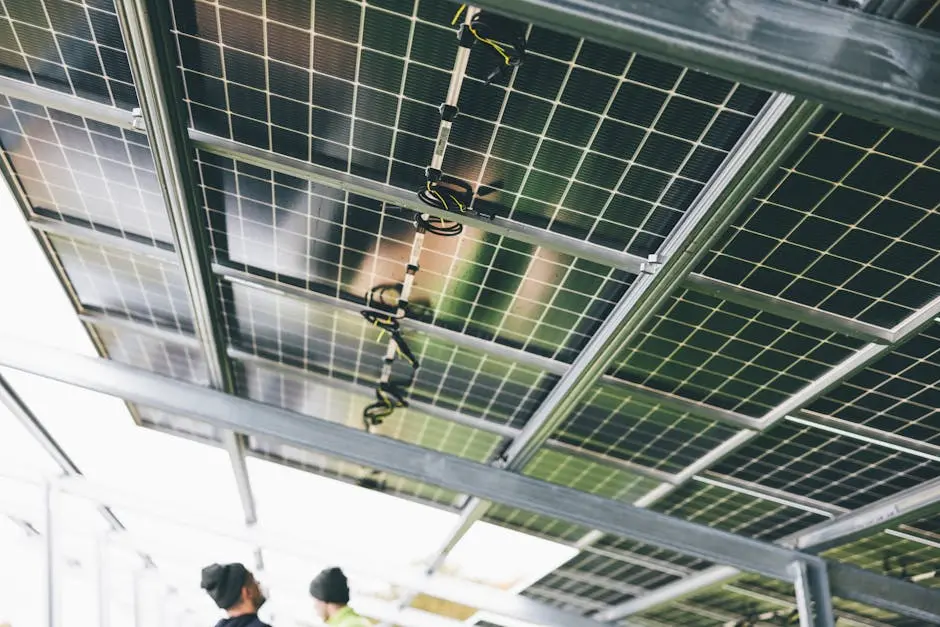
Get ready for solar panel upgrades with our easy guide ‘9 Simple Steps to Prepare Your Home for Solar Panel Upgrades’.
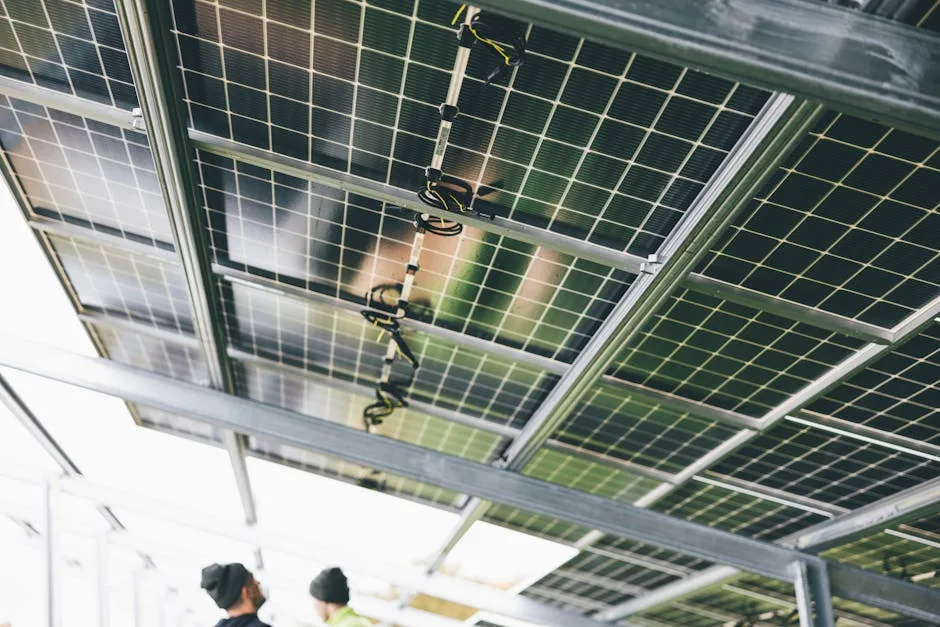
Explore the revolutionary impact of industrial solar solutions in our blog ‘How Industrial Solar Solutions Are Revolutionizing the Energy Sector’.

Enhance your system’s performance with essential PV system maintenance insights in ‘Why PV System Maintenance is Crucial for Optimum Performance’.
Book your free consultation today to discover how renewable energy can benefit your home or business. No obligation – just expert advice tailored to you.
