

Solar power is not just a buzzword; it’s a sustainable and cost-effective solution for homeowners and businesses across the UK. In this comprehensive guide, we will delve deep into the world of solar energy, exploring its benefits, installation process, government incentives, and more. Whether you’re considering solar panels for your home or seeking to reduce your carbon footprint, this guide has you covered.
The UK government has set ambitious targets to achieve net-zero carbon emissions by 2050. Solar power plays a crucial role in achieving this goal by reducing reliance on fossil fuels.
Solar power significantly reduces greenhouse gas emissions, helping combat climate change and protect the environment.
Investing in solar panels can lead to substantial long-term savings on energy bills, making it an economically smart choice.
Solar panels are composed of PV cells that convert sunlight into electricity. These cells generate a direct current (DC) that is then converted into alternating current (AC) for household use.
The angle at which sunlight hits the panels affects energy production. Adjusting panel angles optimizes energy capture.
Even on cloudy days, solar panels can generate power. However, they are most efficient in direct sunlight.
A professional assessment of your property determines its solar potential, including factors like sun exposure, roof orientation, and shading.
Solar panels are securely mounted on your roof or property. The process typically takes a few days to complete.
Inverters convert DC electricity from panels into AC electricity for your home.
FITs allow you to earn money by selling excess energy back to the grid, making solar power an attractive investment.
This scheme ensures you get paid for surplus energy you don’t use, promoting solar power adoption.
RHI encourages the use of solar thermal systems for heating by providing financial incentives.
Regular checks for dirt, debris, and wear are essential to keep panels operating efficiently.
Cleaning panels, especially after rain or wind, ensures maximum light absorption.
Modifying the tilt angle to track the sun can optimize energy production.
Solar panels use PV cells to convert sunlight into electricity. Inverters then transform it into usable AC power.
The return on investment (ROI) varies but typically ranges from 4 to 10 years, depending on factors like energy usage and government incentives.
Yes, they can, albeit at reduced efficiency. Modern panels are designed to capture diffused sunlight.
Yes, government incentives like FITs and SEG are available, making solar power a financially viable option.
Solar power is a sustainable and economically sound choice for individuals and businesses in the UK. It not only helps reduce energy bills but also contributes to a greener future. By understanding the science, installation process, and incentives, you can make an informed decision about harnessing the power of the sun. Make the switch to solar today and be part of the renewable energy revolution in the UK.
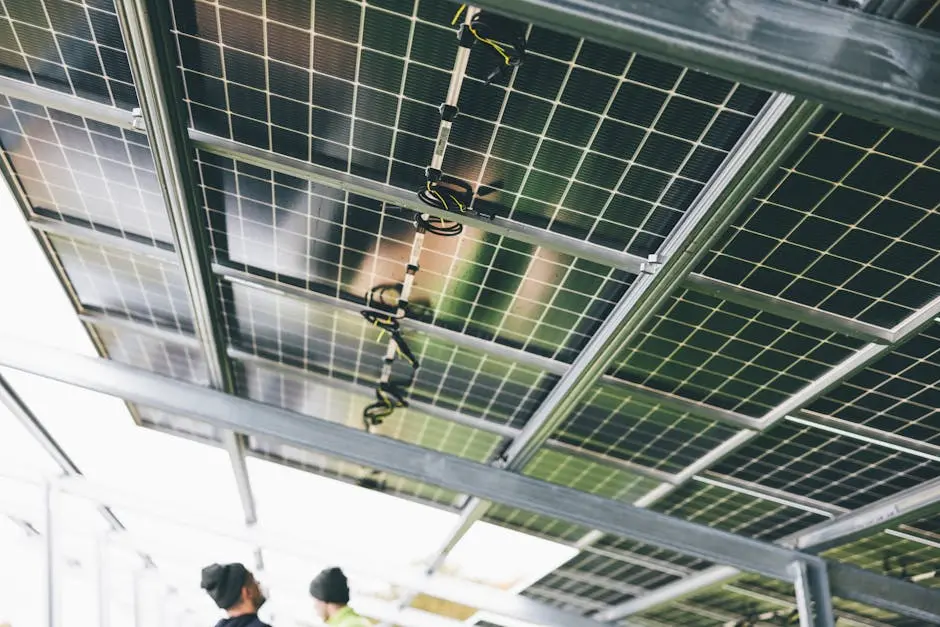
Get ready for solar panel upgrades with our easy guide ‘9 Simple Steps to Prepare Your Home for Solar Panel Upgrades’.
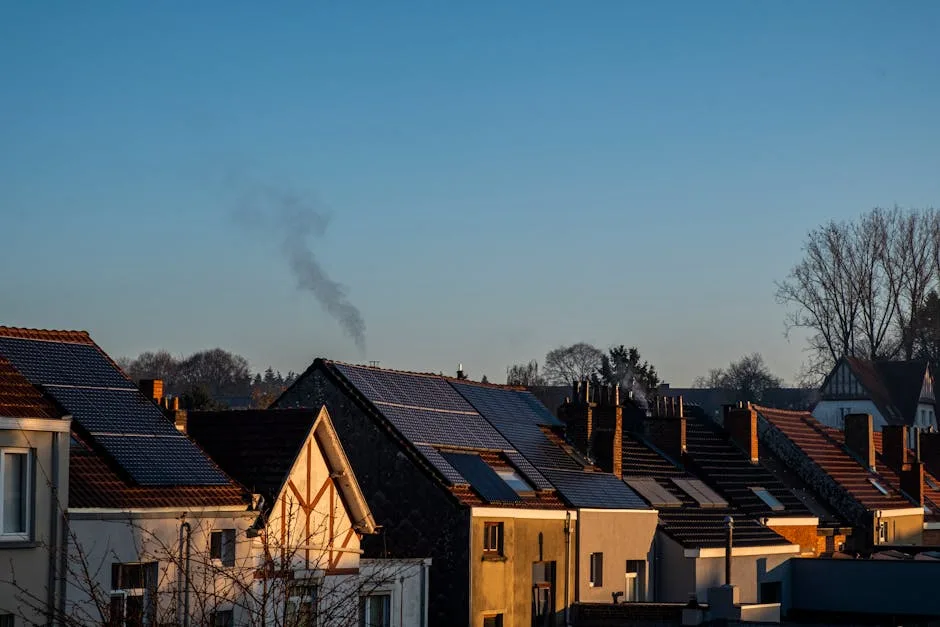
Discover how household solar systems slash your energy bill in our article ‘How Household Solar Systems Can Drastically Reduce Your Energy Bill’.
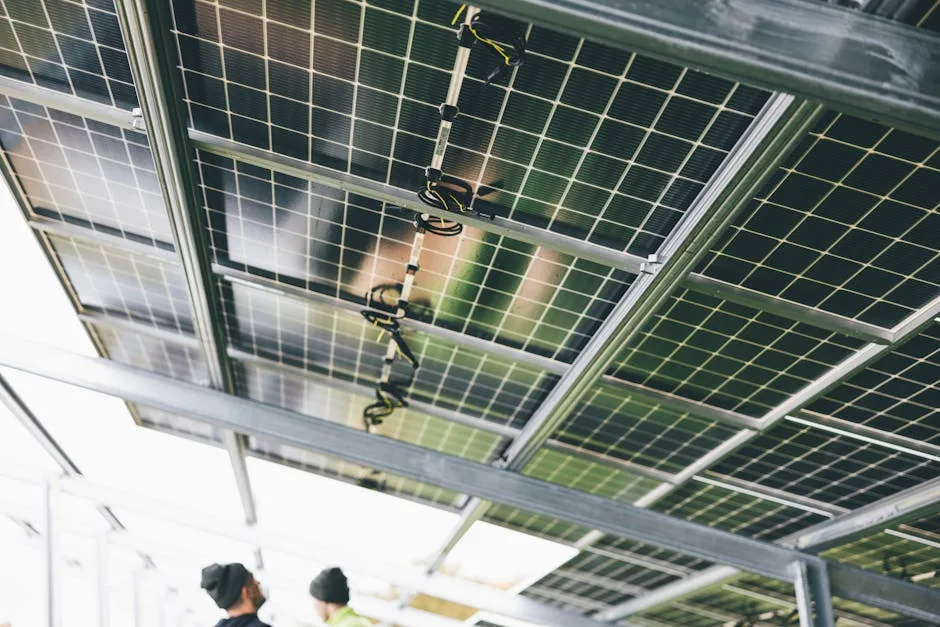
Explore the revolutionary impact of industrial solar solutions in our blog ‘How Industrial Solar Solutions Are Revolutionizing the Energy Sector’.
Book your free consultation today to discover how renewable energy can benefit your home or business. No obligation – just expert advice tailored to you.