

Hey there, fellow nature enthusiasts! If you’ve ever wondered how scientists and researchers dive into the incredible world of ecology to understand the delicate balance of ecosystems, you’ve come to the right place. Today, we’re going to explore the fascinating realm of “Ecology Scoping” and its crucial role in the Survey Guidelines. So, grab your backpacks and binoculars as we embark on this exciting journey to uncover the secrets of our natural world!
Before we delve deeper into the survey guidelines, let’s get a clear grasp of what “Ecology Scoping” actually means. Ecology Scoping refers to the initial phase of any ecological survey, where the scope and objectives of the study are defined. Think of it as setting the boundaries and goals before diving headfirst into the rich tapestry of the environment. This phase is vital because it helps researchers outline the critical aspects they want to study, identify potential challenges, and plan their approach effectively.
Ecology scoping plays a pivotal role in any survey, and here’s why it’s so important:
Picture this: you’re about to explore a dense rainforest brimming with biodiversity. Without a clear plan, you might end up aimlessly wandering without discovering anything significant. Ecology scoping helps narrow down the specific questions researchers aim to answer, ensuring that their efforts are focused and impactful.
Conducting ecological surveys can be a resource-intensive endeavor. From time and manpower to equipment and funding, a lot goes into it. By scoping the study properly, researchers can optimize resource allocation and avoid unnecessary expenses, making the most of what they have.
As nature lovers, it’s our responsibility to minimize any negative impact on the environment during our studies. With a well-defined scope, researchers can design surveys that gather essential data without disturbing delicate ecosystems.
An efficient ecology scoping process comprises various crucial components, each contributing to the success of the survey. Let’s take a closer look at these components:
A solid foundation is vital for any study. Researchers begin by diving into existing literature, gathering insights from previous surveys and studies related to their area of interest. This not only helps them build on existing knowledge but also prevents duplication of efforts.
With a wealth of information at hand, the next step is setting clear and achievable objectives. What do the researchers want to discover? What questions do they seek to answer? Defining these objectives provides a roadmap for the entire survey.
Different ecosystems call for different survey methods. This component involves carefully choosing the most appropriate techniques and tools for data collection, ensuring accuracy and efficiency.
Let’s face it; no survey is without its challenges. Whether it’s limited access to certain areas or weather constraints, identifying these hurdles early on helps researchers develop contingency plans.
Now that we grasp the essence of ecology scoping, let’s witness it in action. Imagine we’re planning a survey to study the avian diversity in a lush, untouched forest.
The first step is conducting a comprehensive literature review on the bird species that have been spotted in similar forests. This enables us to understand their behavior, nesting patterns, and migration habits.
Our main goal is to determine the variety of avian species and their distribution in the forest. Additionally, we aim to identify any endangered species that might require special conservation efforts.
To accomplish our objectives, we’ll use a combination of visual and auditory surveys. Binoculars and sound recording devices will be our trusty companions in this avian adventure.
The dense foliage of the forest might pose a challenge in spotting certain bird species. To overcome this, we’ll allocate more time to thoroughly explore the area.
Are you itching to start your own ecological survey? Here are some practical guidelines to ensure your ecology scoping process is smooth and fruitful:
Teamwork makes the dream work! Collaborating with experienced ecologists and researchers can offer valuable insights and expertise.
Nature can be unpredictable, and sometimes plans may need to be adjusted. Embrace flexibility and adapt your survey methods as needed.
Respect for nature and its inhabitants should be at the core of every survey. Ensure your study is conducted ethically, with minimal disturbance to the environment.
After the survey, analyze the data thoroughly and prepare a detailed report. Sharing your findings can contribute to a broader understanding of ecological systems.
Congratulations, eco-explorers! We’ve reached the end of our journey through the wonders of ecology scoping in survey guidelines. Remember, by scoping your ecological study effectively, you set the stage for a successful and impactful research endeavor. So, as you venture into the mesmerizing realm of nature, keep your hearts open, your minds curious, and your binoculars at the ready!
1. What is the duration of an ecology scoping phase? The duration of an ecology scoping phase can vary depending on the complexity of the survey and the ecosystem being studied. It typically ranges from a few weeks to a couple of months.
2. Are there any specific tools used in ecology scoping? Yes, ecologists use a variety of tools, including binoculars, sound recording devices, GPS, and data loggers, to assist in their ecological surveys.
3. Can citizen scientists participate in ecology scoping? Absolutely! Citizen scientists play a vital role in ecological research by contributing their observations and data to various projects, aiding in larger-scale studies.
4. How can ecology scoping help with conservation efforts? Ecology scoping provides crucial information about the distribution of species and the health of ecosystems. This data is instrumental in formulating effective conservation strategies.
5. What are some challenges in conducting ecological surveys?
Conducting ecological surveys can be challenging due to factors like limited access to certain areas, inclement weather, and the elusive nature of certain wildlife species.
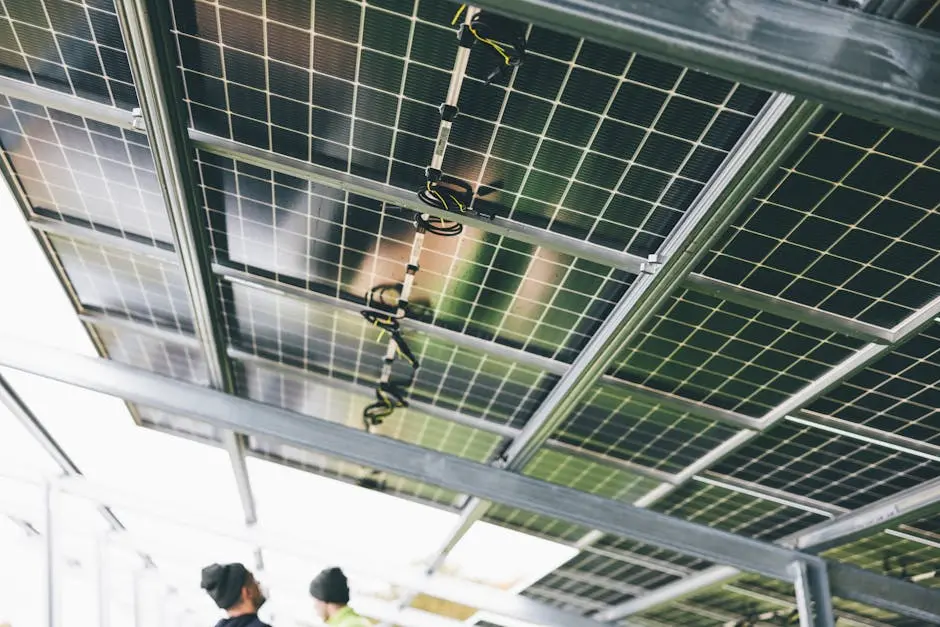
Get ready for solar panel upgrades with our easy guide ‘9 Simple Steps to Prepare Your Home for Solar Panel Upgrades’.
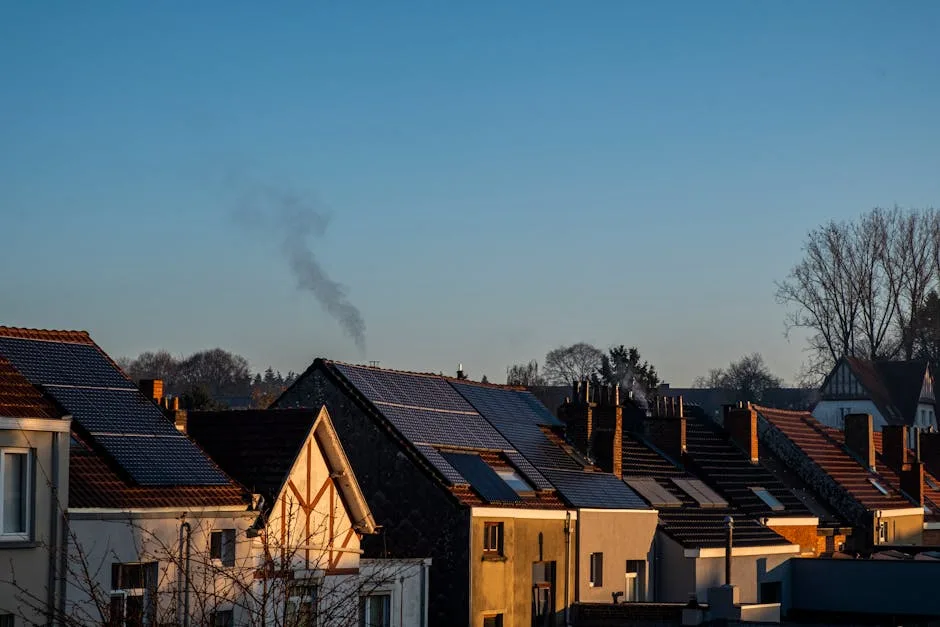
Discover how household solar systems slash your energy bill in our article ‘How Household Solar Systems Can Drastically Reduce Your Energy Bill’.
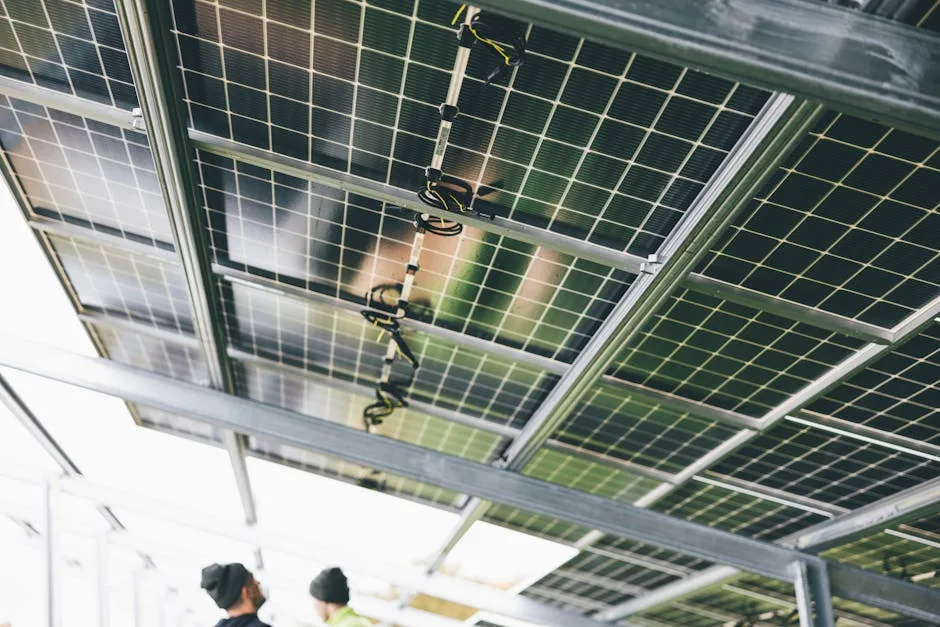
Explore the revolutionary impact of industrial solar solutions in our blog ‘How Industrial Solar Solutions Are Revolutionizing the Energy Sector’.
Book your free consultation today to discover how renewable energy can benefit your home or business. No obligation – just expert advice tailored to you.